

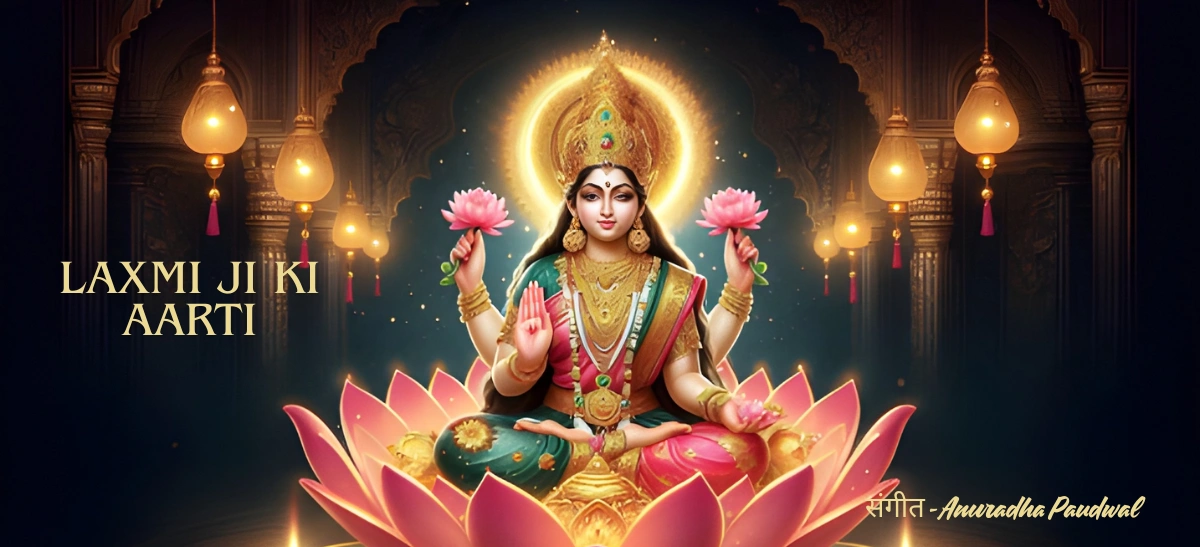
Full laxmi Ji Ki Aarti Lyrics by Anuradha Paudwal
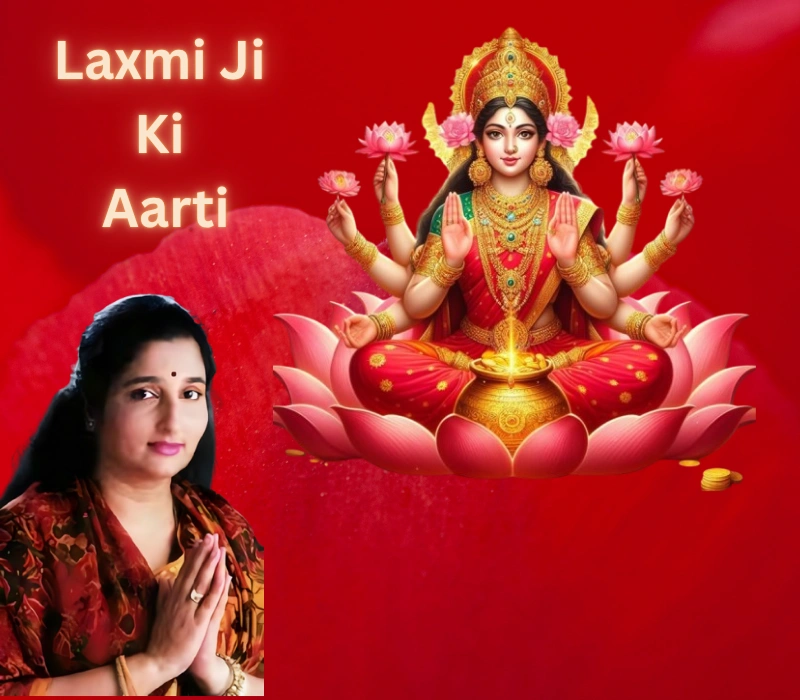
Below are the complete lyrics of laxmi Ji Ki Aarti as sung by Anuradha Paudwal, presented in their original Hindi language for authenticity. The Anuradha Paudwal Laxmi Ji Ki Aarti Lyrics are formatted for easy reading, with clear stanzas to help you follow along during worship or study.
Disclaimer: Lyrics are property and copyright of their respective authors, artists, and labels. Provided for educational and informational purposes only.
Laxmi Aarti Lyrics in Hindi
ॐ जय लक्ष्मी माता, मैया जय लक्ष्मी माता
तुमको निशदिन सेवत, मैया जी को निशदिन सेवत
हरि विष्णु विधाता, ॐ जय लक्ष्मी माता
उमा, रमा, ब्रह्माणी, तुम ही जग-माता
सूर्य-चन्द्रमा ध्यावत, नारद ऋषि गाता
ॐ जय लक्ष्मी माता
दुर्गा रुप निरंजनी, सुख सम्पत्ति दाता
जो कोई तुमको ध्यावत, ऋद्धि-सिद्धि धन पाता
ॐ जय लक्ष्मी माता
तुम पाताल-निवासिनि, तुम ही शुभदाता
कर्म-प्रभाव-प्रकाशिनी, भवनिधि की त्राता
ॐ जय लक्ष्मी माता
जिस घर में तुम रहतीं, सब सद्गुण आता
सब सम्भव हो जाता, मन नहीं घबराता
ॐ जय लक्ष्मी माता
तुम बिन यज्ञ न होते, वस्त्र न कोई पाता
खान-पान का वैभव, सब तुमसे आता
ॐ जय लक्ष्मी माता
शुभ-गुण मन्दिर सुन्दर, क्षीरोदधि-जाता
रत्न चतुर्दश तुम बिन, कोई नहीं पाता
ॐ जय लक्ष्मी माता
महालक्ष्मीजी की आरती, जो कोई नर गाता
उर आनन्द समाता, पाप उतर जाता
ॐ जय लक्ष्मी माता
ॐ जय लक्ष्मी माता, मैया जय लक्ष्मी माता
तुमको निशदिन सेवत, मैया जी को निशदिन सेवत
हरि विष्णु विधाता, ॐ जय लक्ष्मी माता
Laxmi Aarti Lyrics In English
Starting Invocation
Om Jai Lakshmi Mata,
Maiya Jai Lakshmi Mata.
Tumko Nishidin Dhyavat,
Hari Vishnu Vidhata.
Om Jai Lakshmi Mata.
Verse 1
Uma, Rama, Brahmani,
Tum Hi Jag Ki Mata.
Surya Chandrama Dhyavat,
Narad Rishi Gata.
Om Jai Lakshmi Mata.
Verse 2
Durga Roop Niranjani,
Sukh Sampati Data.
Jo Koi Tumko Dhyavat,
Ridhi-Sidhi Dhan Pata.
Om Jai Lakshmi Mata.
Verse 3
Tum Patal Nivasini,
Tum Hi Shubh Data.
Karma Prabhav Prakashini,
Bhavanidhi Ki Trata.
Om Jai Lakshmi Mata.
Verse 4
Jis Ghar Mein Tum Rahti,
Sab Sadgun Aata.
Sab Sambhav Ho Jata,
Man Nahi Ghabrata.
Om Jai Lakshmi Mata.
Verse 5
Tum Bin Yagya Na Hove,
Vastra Na Koi Pata.
Khan-Pan Ka Vaibhav,
Sab Tumse Hi Aata.
Om Jai Lakshmi Mata.
Verse 6
Shubh Gun Mandir Sundar,
Kshirodadhi Jata.
Ratan Chaturdash Tum Bin,
Koi Nahi Pata.
Om Jai Lakshmi Mata.
Verse 7
Mahalakshmi Ji Ki Aarti,
Jo Koi Nar Gata.
Ur Anand Samata,
Paap Utar Jata.
Om Jai Lakshmi Mata.
Ending Invocation
Om Jai Lakshmi Mata,
Maiya Jai Lakshmi Mata.
Tumko Nishidin Dhyavat,
Hari Vishnu Vidhata.
Om Jai Lakshmi Mata.
Download “laxmi Ji Ki Aarti” lyrics in Hindi: लक्ष्मी जी की आरती
Download “laxmi Ji Ki Aarti” lyrics in English: laxmi Ji Ki Aarti
Introduction: A Divine Melody That Touches the Soul
The flicker of a diya casting a warm glow, the scent of incense wafting through the air, and the soulful voice of Anuradha Paudwal singing Laxmi Ji Ki Aarti during a Diwali puja. For millions, this iconic aarti isn’t just a song—it’s a spiritual experience that invokes Goddess Laxmi, the deity of wealth, prosperity, and peace. Whether you’re a devotee seeking blessings or simply curious about this timeless hymn, this article dives deep into Om Jai Laxmi Mata, exploring its lyrics, meaning, history, and cultural significance. Join us as we uncover why this devotional masterpiece continues to resonate across generations.
In this comprehensive blog, we’ll provide the full lyrics in Hindi, break down their spiritual and cultural meanings, share insights into Anuradha Paudwal’s contribution, and explore how fans have embraced this aarti. Whether you’re here to sing along, understand the hymn’s depth, or connect with its divine energy, we’ve got you covered with an engaging, user-first approach.
Anuradha Paudwal Laxmi Ji Ki Aarti Lyrics Song Details & Background
Om Jai Laxmi Mata is a revered Hindu devotional aarti dedicated to Goddess Laxmi, traditionally sung during Diwali, Laxmi Puja, and other auspicious occasions. Sung by the legendary Anuradha Paudwal, this rendition has become a staple in households and temples, known for its soulful melody and spiritual resonance. Below is a detailed overview of the song’s background, artist, and notable facts.
|
Detail |
Information |
|---|---|
|
Song Title |
Laxmi Ji Ki Aarti (Om Jai Laxmi Mata) |
|
Singer |
|
|
Composer |
Arun Paudwal (Anuradha Paudwal’s late husband) |
|
Lyricist |
Traditional |
|
Release Year |
1998 (part of the album Aartiyan, re-released in various compilations) |
|
Music Label |
T-Series Bhakti Sagar |
|
Genre |
Devotional/Bhakti |
|
Notable Milestones |
Widely featured in Diwali celebrations; millions of streams on YouTube and Spotify |
|
Awards |
No specific awards documented, but Anuradha Paudwal received the Padma Shri in 2017 for her contributions to music |
History and Context
Anuradha Paudwal, a celebrated playback singer, transitioned to devotional music in the 1990s, becoming a household name for her soul-stirring bhajans and aartis. Her rendition of Laxmi Ji Ki Aarti, released by T-Series Bhakti Sagar, is one of the most popular versions, cherished for its clarity and emotional depth. Composed by her husband, Arun Paudwal, the aarti draws from traditional lyrics that have been sung for centuries, adapted into a modern, accessible melody. The song’s release in 1998, and subsequent re-releases in compilations like Top 10 Aarti (2020), solidified its place in devotional music.
While no specific awards are tied to this aarti, its enduring popularity—evidenced by millions of YouTube views and streams on platforms like Spotify and JioSaavn—speaks to its cultural significance.
Artist Commentary & Interviews
While direct interviews about Laxmi Ji Ki Aarti by Anuradha Paudwal are scarce, her broader commentary on devotional music provides insight. In a 2017 interview with The Times of India, Paudwal shared, “Devotional music is my calling. It’s not just about singing; it’s about connecting the listener to the divine through melody and emotion.” Her dedication to bhakti music is evident in the emotive clarity of this aarti, which she recorded to honor traditional worship while making it accessible to modern audiences.
Her husband, Arun Paudwal, composed the melody, blending traditional rhythms with a contemporary touch. In a rare archival comment from T-Series, Arun noted, “The music for Laxmi Ji ki aarti had to be simple yet profound, allowing devotees to feel her presence.” This intentional simplicity makes the aarti a favorite for both home worship and temple rituals.
➜ Other Lyrics You Might Enjoy:
- Hariharan Bajrang Baan Lyrics: Epic Guide to Divine Power
- Shree Ram Stuti Lyrics
- Shree Sankatmochan Hanuman Ashtak
- Jai Ambe Gauri Lyrics
Conclusion & Personal Take
Om Jai Laxmi Mata is more than a song—it’s a bridge to the divine, a melody that carries centuries of devotion into our homes. Anuradha Paudwal’s rendition, with its heartfelt delivery and Arun Paudwal’s soulful composition, transforms traditional lyrics into a timeless prayer. For me, hearing this aarti during Diwali feels like a warm embrace, a reminder to seek prosperity not just in wealth but in kindness, gratitude, and inner peace.
What does this aarti mean to you? Have you sung it during a puja or felt its calming energy? Share your thoughts in the comments below—we’d love to hear your interpretations and experiences!
? FAQ’s
Q: What does “Om Jai Laxmi Mata” mean?
A: “Om Jai Laxmi Mata” translates to “Victory to Mother Laxmi.” It’s a chant of reverence, invoking the blessings of Goddess Laxmi, the deity of wealth and prosperity.
Q: Who wrote Laxmi Ji Ki Aarti?
A: The lyrics are traditional, passed down through generations in Hindu worship. Anuradha Paudwal’s version was composed by her husband, Arun Paudwal, for T-Series.
Q: Is Laxmi Ji Ki Aarti based on a true story?
A: The aarti is a devotional hymn, not based on a specific story but rooted in Hindu mythology, particularly the worship of Goddess Laxmi as described in texts like the Bhagavata Purana.
Q: Why is this aarti sung during Diwali?
A: Diwali is the festival of lights, celebrating Laxmi’s blessings for prosperity and new beginnings. This aarti is sung to honor her during puja rituals.
Q: Can I sing this aarti daily?
A: Absolutely! Many devotees sing it daily, especially on Fridays, to invite Laxmi’s blessings for peace and abundance.
