

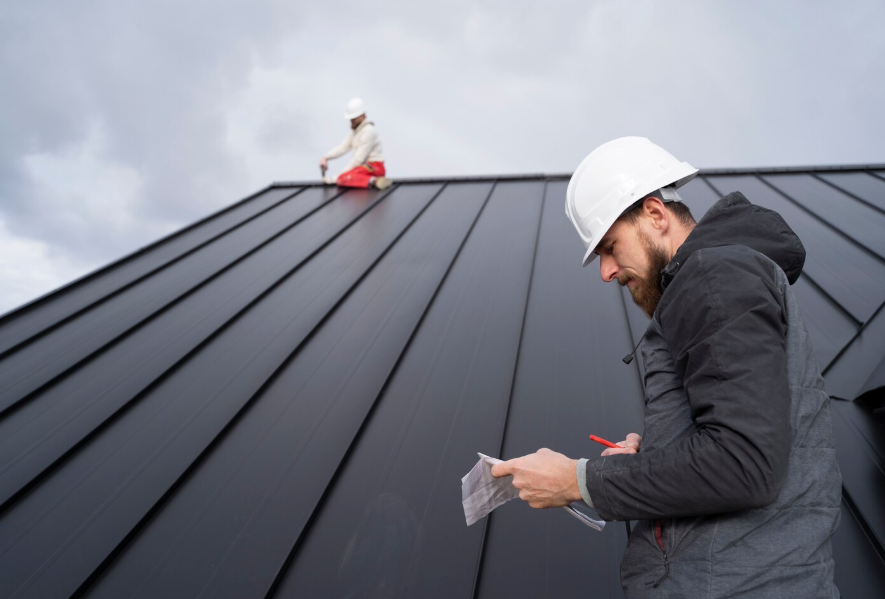
When we think about a roof failing, we usually picture a massive storm or a tree branch coming down. However, the real culprit is often much quieter and starts from inside your own living room. Most homeowners do not realize that the air they breathe every day is constantly trying to escape through the ceiling. If you are worried about your home’s structural health, calling a roof repair Pocatello inspector is a great way to catch these invisible issues before they turn into a sagging roof or a moldy attic. Understanding how interior air movement dictates the lifespan of your shingles is the first step toward a more durable home.
The Science of Rising Warm Air
The basic physics of a house is pretty simple. Warm air rises. In a perfect world, that air would stay inside your living space to keep you cozy. In reality, most buildings have tiny gaps around light fixtures, plumbing stacks, and attic hatches. This is known as the stack effect. As warm air escapes through these bypasses, it carries moisture along with it.
When that warm, moist air hits the cold underside of your roof deck in the winter, it reaches the dew point. This is where the gas turns back into a liquid. Suddenly, you have water dripping onto your insulation and wooden rafters. This is not a leak from the rain outside, but a self-inflicted wound from the air inside. Over time, this constant dampness rots the plywood from the inside out, making the entire structure soft and unstable.
Condensation and the Mold Factor
One of the nastiest side effects of air leakage is mold growth. When humid air from your kitchen or bathroom leaks into the attic space, it creates a greenhouse environment. Mold thrives in dark, damp spaces with organic food sources like wood and paper-faced insulation.
If you ignore air leaks, you might eventually notice dark spots on your ceiling or a musty smell whenever the attic hatch is opened. By the time you see these signs, the roof deck might already be compromised. This moisture also ruins the R-value of your insulation. Wet insulation is essentially useless, which means your heater has to work twice as hard. This creates a vicious cycle where you pump more heat into the house, more air leaks out, and more condensation forms on the roof.
Ice Dams and Thermal Stress
In colder climates, air leaks are the primary cause of ice dams. Many people blame their gutters for ice buildup, but the gutters are just where the ice lands. The real problem is a “hot roof.” When warm air leaks into the attic, it heats up the roof deck enough to melt the bottom layer of snow sitting on your shingles.
That melted snow runs down to the eaves, which are colder because they overhang the house. The water refreezes there, creating a literal dam of ice. As more snow melts, the water pools behind the ice and eventually gets forced up under the shingles. This causes significant water damage to the interior walls and the roof perimeter. A roof that stays cold because of a sealed interior is a roof that stays healthy during the winter months.
Shingle Degradation from Excessive Heat
It is not just about the winter, either. During the summer, air leaks can prevent your attic ventilation system from working correctly. Most roofs are designed to have a balanced flow of intake and exhaust air. When huge amounts of conditioned air leak into the attic, it can disrupt this airflow and lead to localized hotspots.
Excessive heat under the roof deck literally cooks the shingles. The asphalt becomes brittle, the granules start to fall off, and the shingles may begin to curl or “fish-mouth.” A roof that should have lasted thirty years might only last fifteen because it was constantly being baked from both sides. Keeping the attic temperature as close to the outside temperature as possible is the goal, and that is only possible if you stop the air from the interior from getting in there in the first place.
Final Word
At the end of the day, your roof is part of a complex system that includes your walls and your foundation. If the interior air is not contained, the roof is the part of the house that pays the highest price. Checking your seals and talking to a roof repair Pocatello inspector can save you thousands of dollars in premature replacement costs. Take care of your air, and your roof will take care of you for decades to come.