

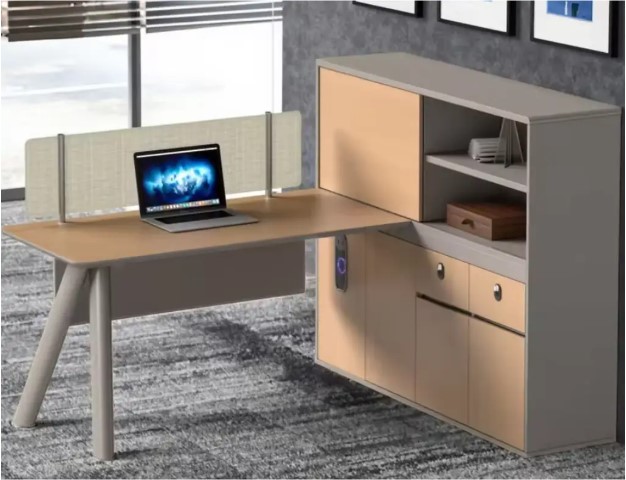
Working from home has become a long-term reality for many professionals, but not everyone has the luxury of a dedicated office.
For apartments, shared living spaces, and smaller homes, a compact home office desk is often the key to creating a productive workspace without taking over the entire room.
This guide explains what to look for in a compact home office desk, how to choose the right size and style, and how to balance space efficiency with comfort and functionality.
What Is a Compact Home Office Desk?
A compact home office desk is designed to provide a functional work surface while occupying minimal floor space. Unlike traditional office desks, compact desks focus on smart proportions, lightweight construction, and often include integrated storage or foldable features.
These desks are ideal for small rooms, bedrooms, living areas, or multi-purpose spaces where work and home life need to coexist.
Why Choose a Compact Desk for Your Home Office?
The main advantage of a compact desk is space efficiency. A smaller footprint makes it easier to fit a desk into tight areas such as corners, alcoves, or against walls.
Compact desks also help maintain a cleaner, less cluttered environment. When space is limited, unnecessary surface area often leads to mess. A well-sized desk encourages better organisation and focus.
Another benefit is flexibility. Many compact home office desks are lightweight or modular, allowing them to be moved or repositioned easily when needed.
Key Factors to Consider When Choosing a Compact Desk
Desk Size and Dimensions
Before buying a desk, measure your available space carefully. Consider not only the width and depth of the desk but also the surrounding area needed for a chair and movement.
A compact desk typically ranges from 80 to 120 cm wide, providing enough space for a laptop, monitor, and basic accessories without feeling cramped.
Storage Options
Built-in storage can make a big difference in a small workspace. Look for desks with drawers, shelves, or under-desk compartments to keep essentials within reach while keeping the surface clear.
Vertical storage, such as shelves above the desk, can further maximise space without increasing the desk’s footprint.
Desk Style and Layout
Compact desks come in many styles, including minimalist writing desks, corner desks, wall-mounted desks, and fold-down designs. Corner desks are particularly effective for making use of otherwise wasted space.
Wall-mounted or fold-away desks are excellent options for multi-purpose rooms, as they can be hidden when not in use.
Material and Build Quality
Compact desks are often lighter, but that doesn’t mean they should feel unstable. Look for sturdy materials such as solid wood, engineered wood with metal frames, or high-quality MDF.
A stable desk is essential for comfortable typing and long-term use.
Ergonomics in a Compact Setup
Even with limited space, ergonomics should never be ignored. The desk height should allow your arms to rest comfortably while typing, and there should be enough legroom underneath.
Pairing a compact desk with an adjustable chair and, if needed, a monitor stand can significantly improve posture and reduce strain during long working hours.
Best Uses for Compact Home Office Desks
Compact desks are ideal for remote workers, students, freelancers, and anyone who needs a dedicated workspace at home. They work especially well in apartments, bedrooms, and shared spaces where furniture must serve multiple purposes.
Modern homes are evolving to include flexible outdoor living spaces, and Garden Rooms are becoming a popular choice. They provide a versatile area that can be used for work, fitness, or relaxation, all while increasing the usability of your garden throughout the year.
Conclusion
A compact home office desk is a practical solution for creating a productive workspace in limited space. By focusing on size, storage, ergonomics, and build quality, you can find a desk that fits your home and supports efficient, comfortable work.
With the right compact desk, even the smallest space can become a functional and professional home office.
